Collaboration
A World of Music at Tone Galaxie
Young musicians at Tone Galaxie enjoy a wealth of opportunities to perform, listen, and learn within an environment modeled after the world's distinguished conservatories. Whether enrolled in the Graduate Study Abroad track or the Pre-Master Program, every student enters a community where musical excellence is both the standard and the daily practice.
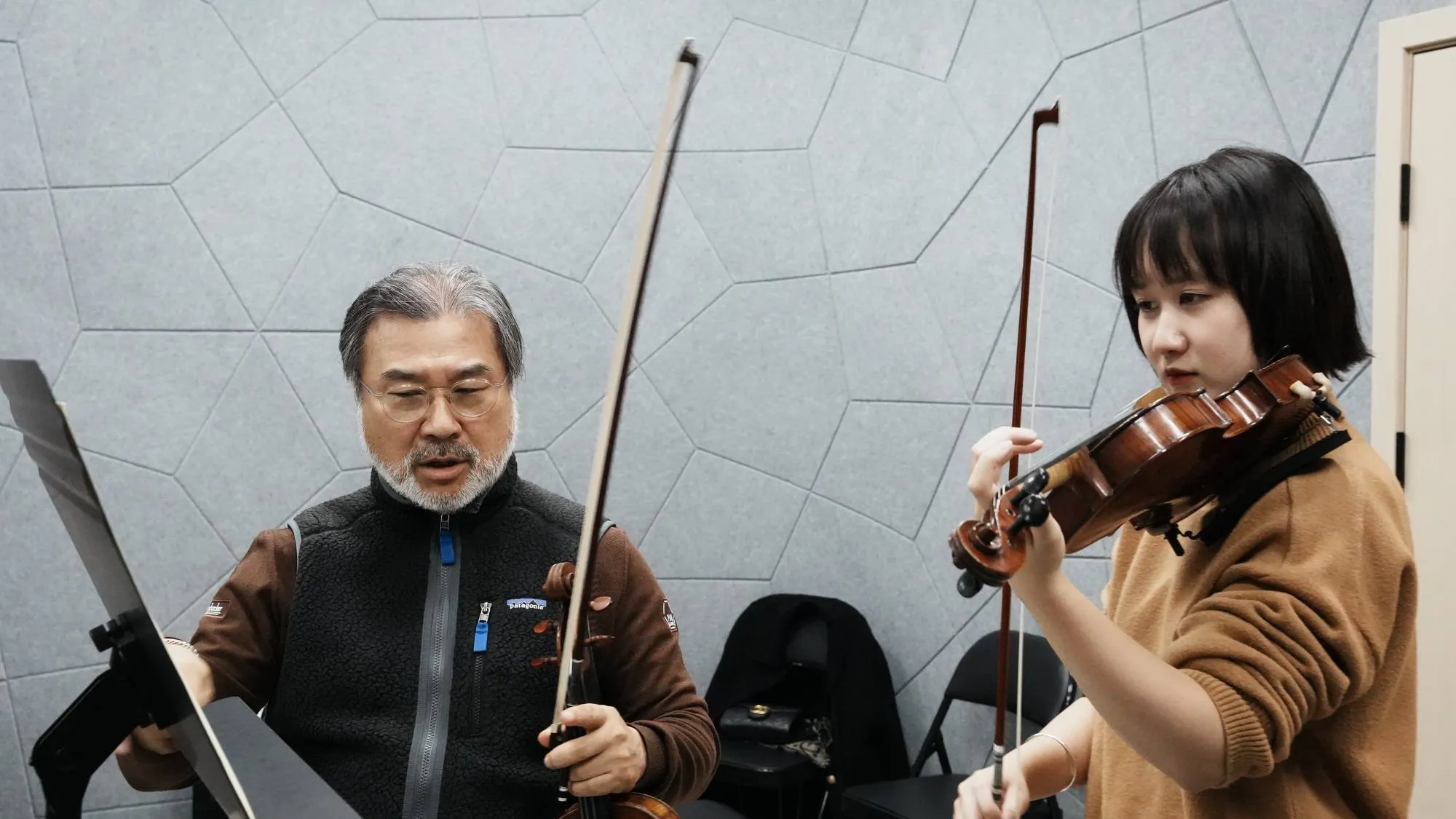
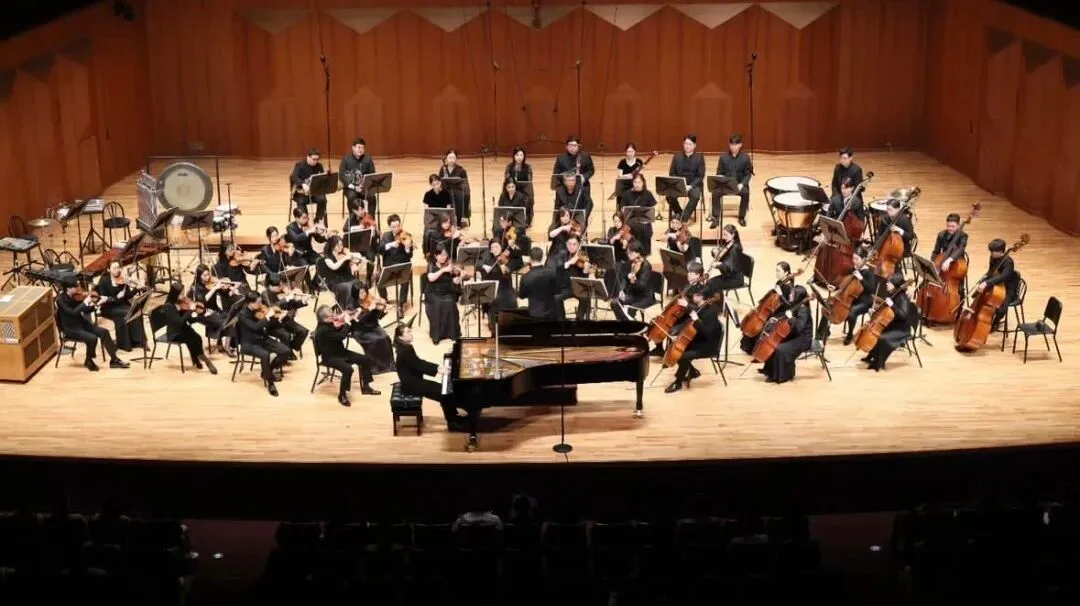
Performance runs through every dimension of life at Tone Galaxie. Students take the stage in recitals and competitions, while masterclasses — both upcoming and on record — place them in direct conversation with visiting professors and guest artists from across the international music world. These encounters sharpen technique, broaden repertoire, and build the kind of confidence that only comes from performing before discerning ears.
Listening and learning are equally central. The masters, drawn from elite institutions worldwide, bring diverse pedagogical traditions into the studio and the classroom. Through curated events, archived competition highlights, and a culture of inquiry that runs from individual lessons to ensemble work, students are immersed in music as a living discipline. At Tone Galaxie, education is not a preparation for a musical life — it is that life, beginning from the very first day.
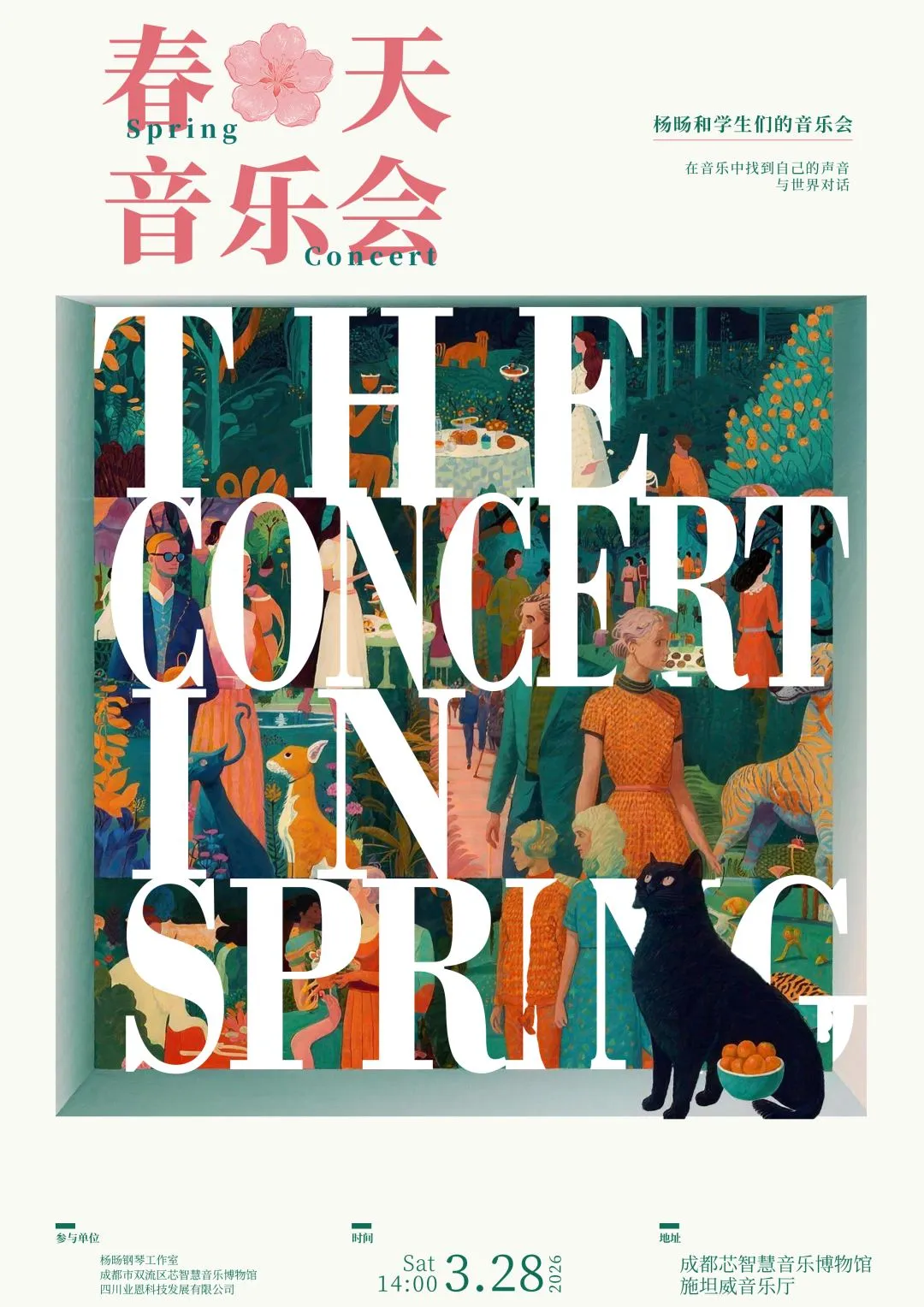
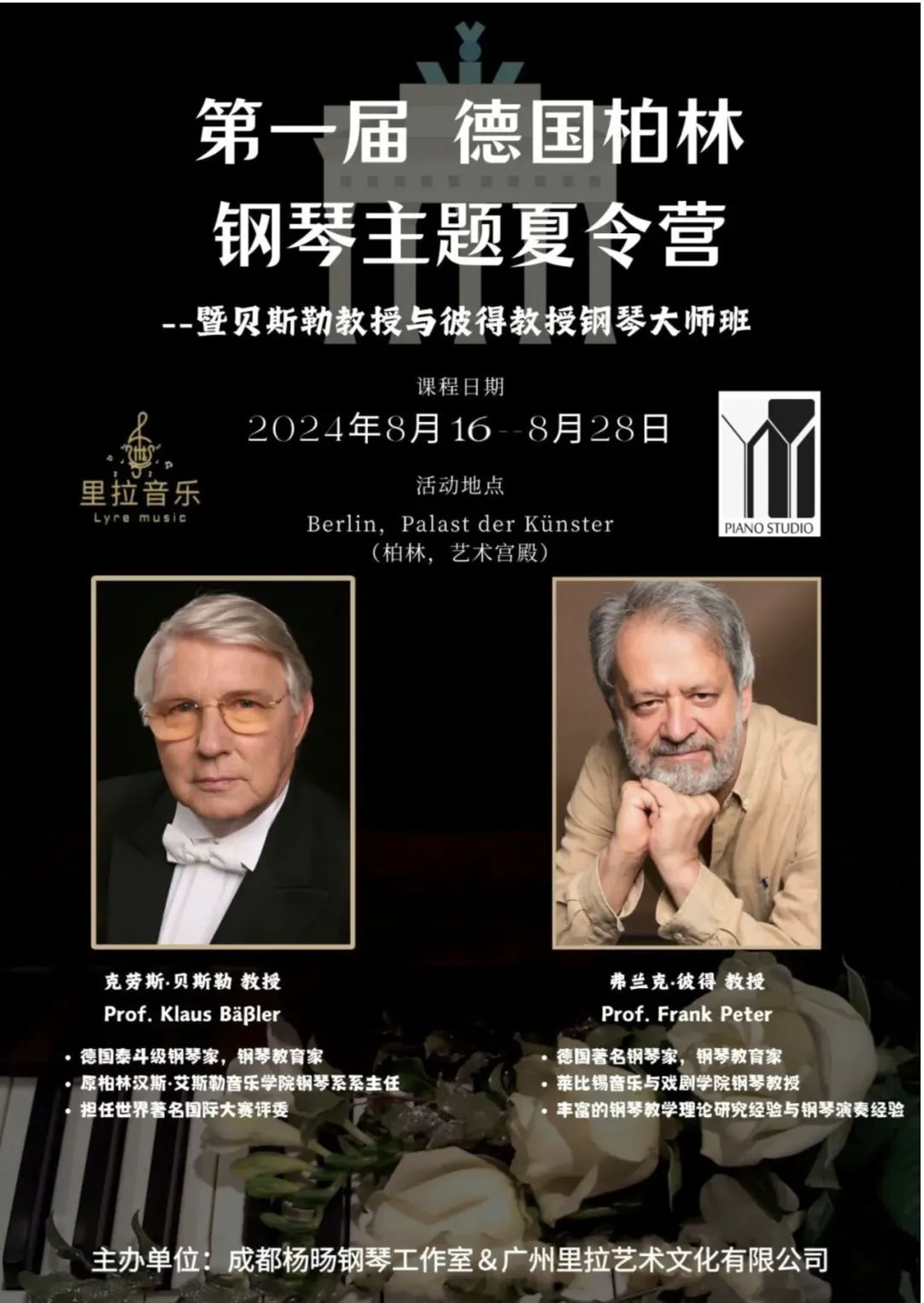
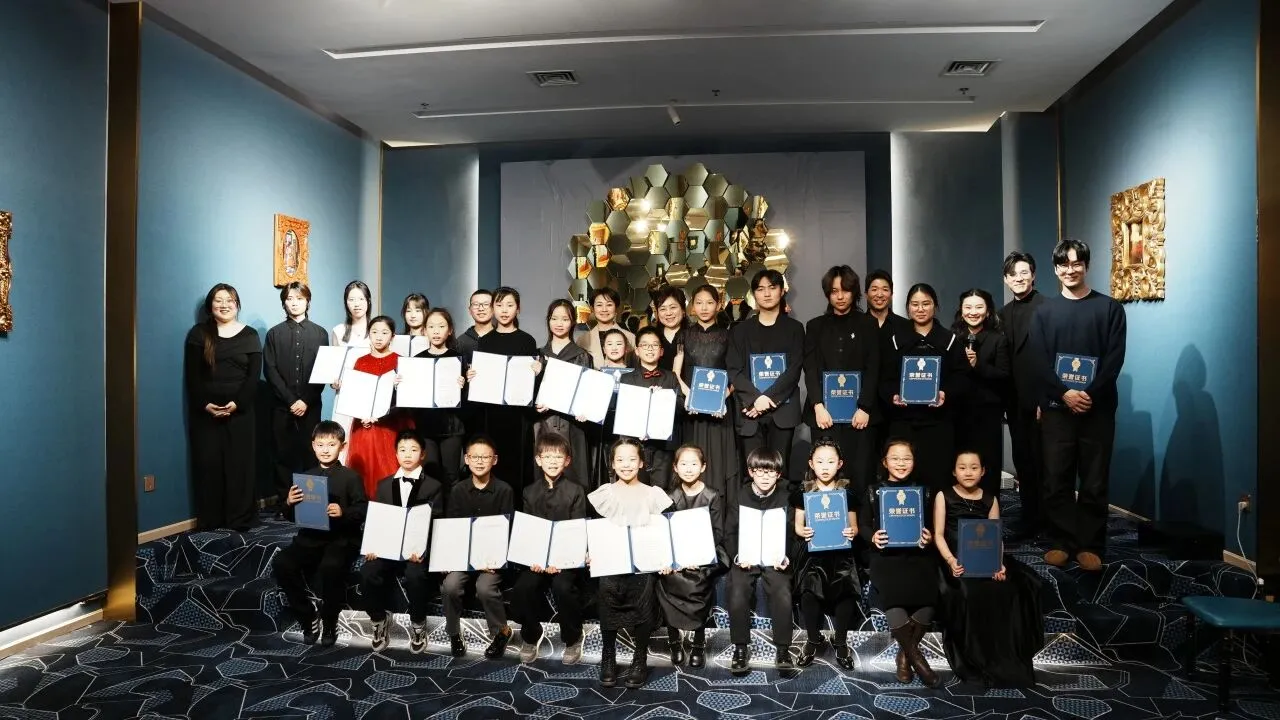
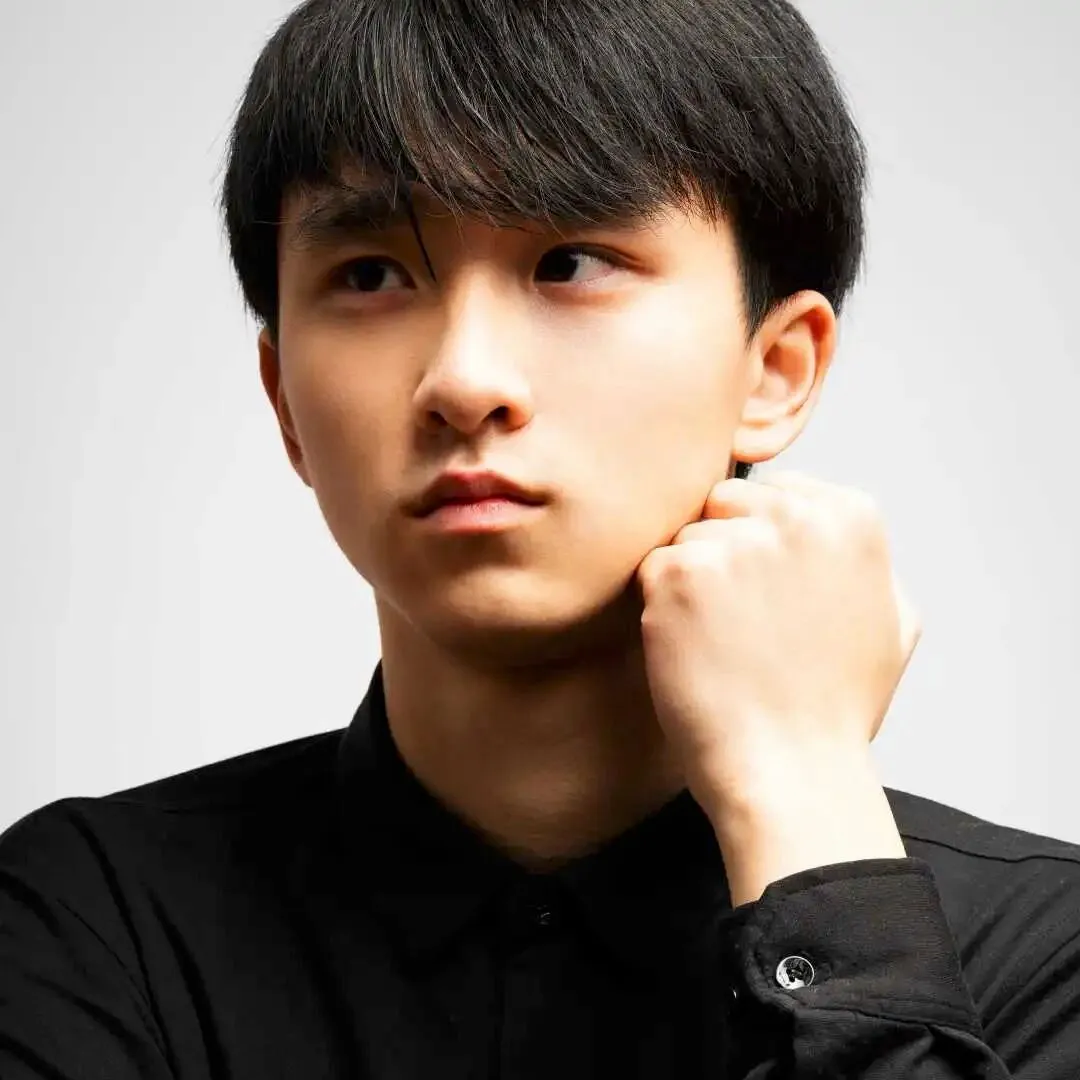
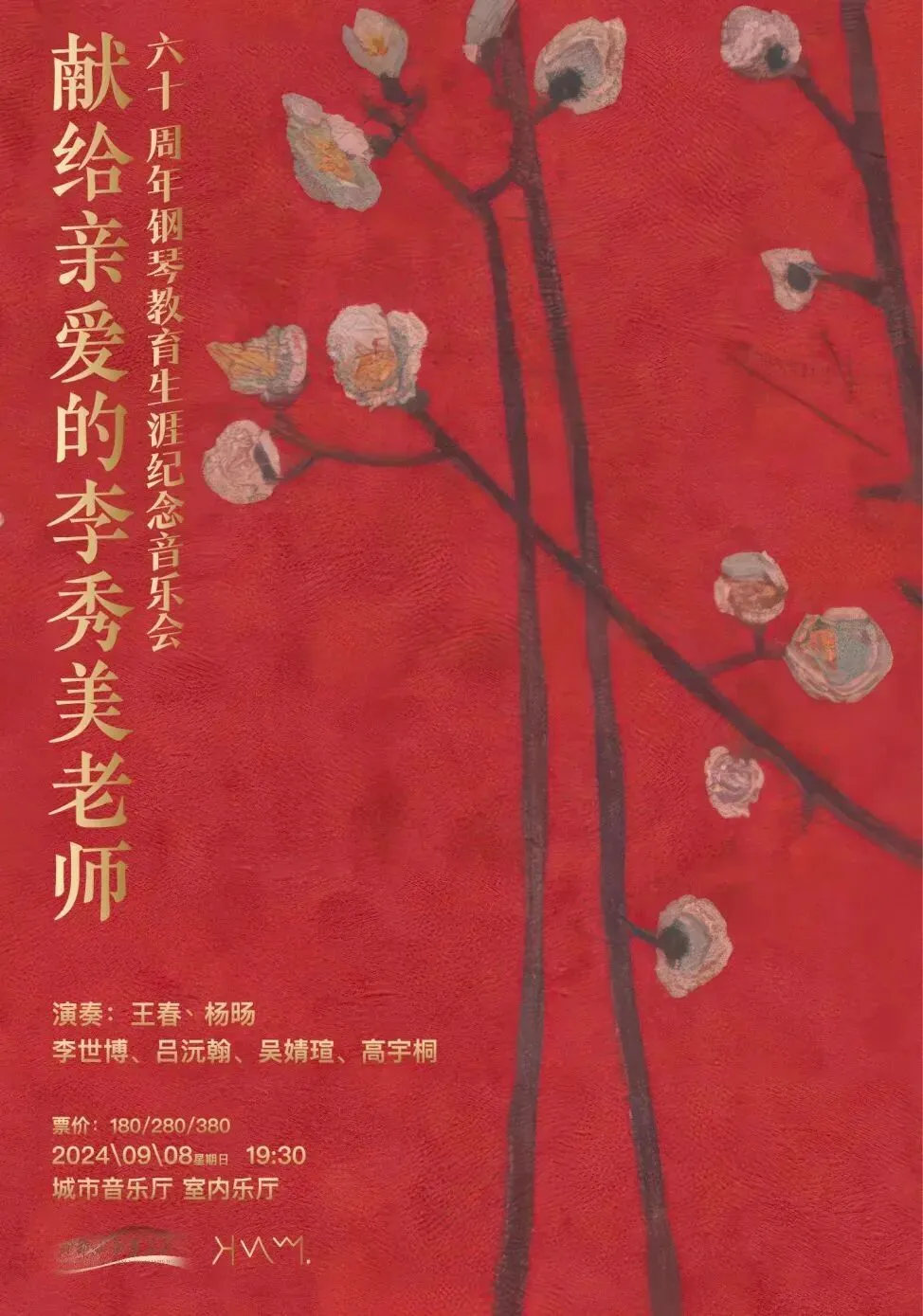
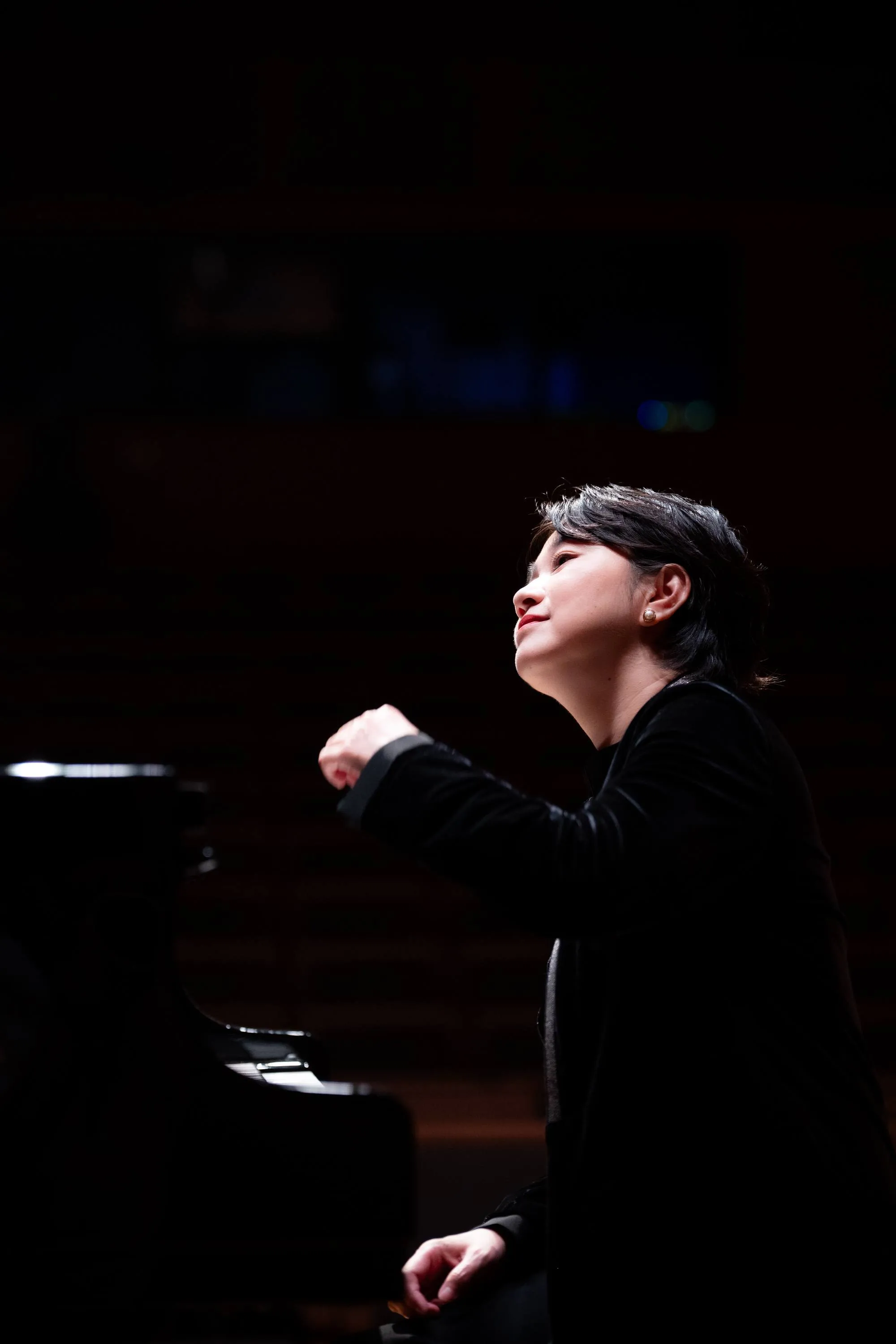
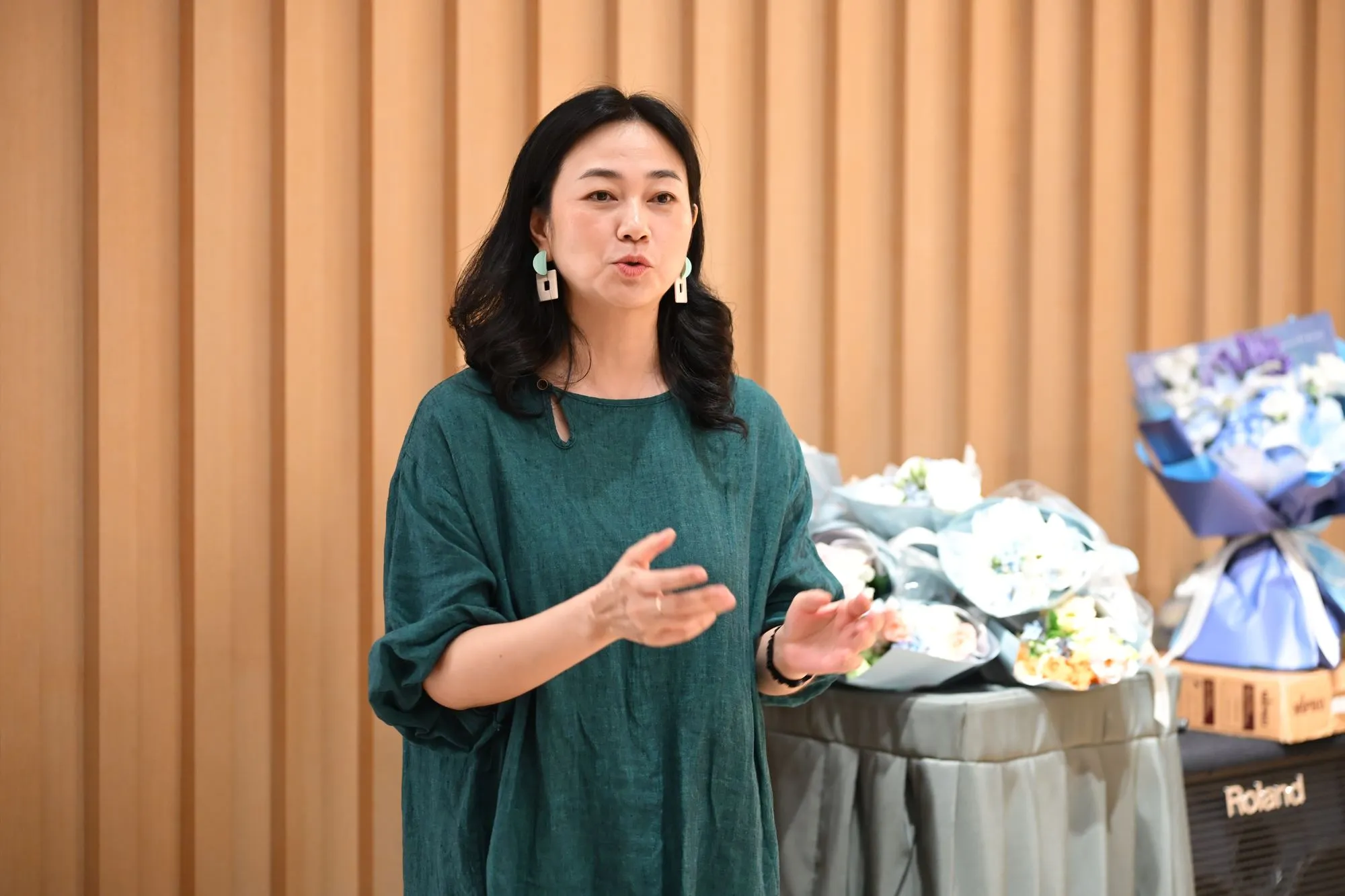

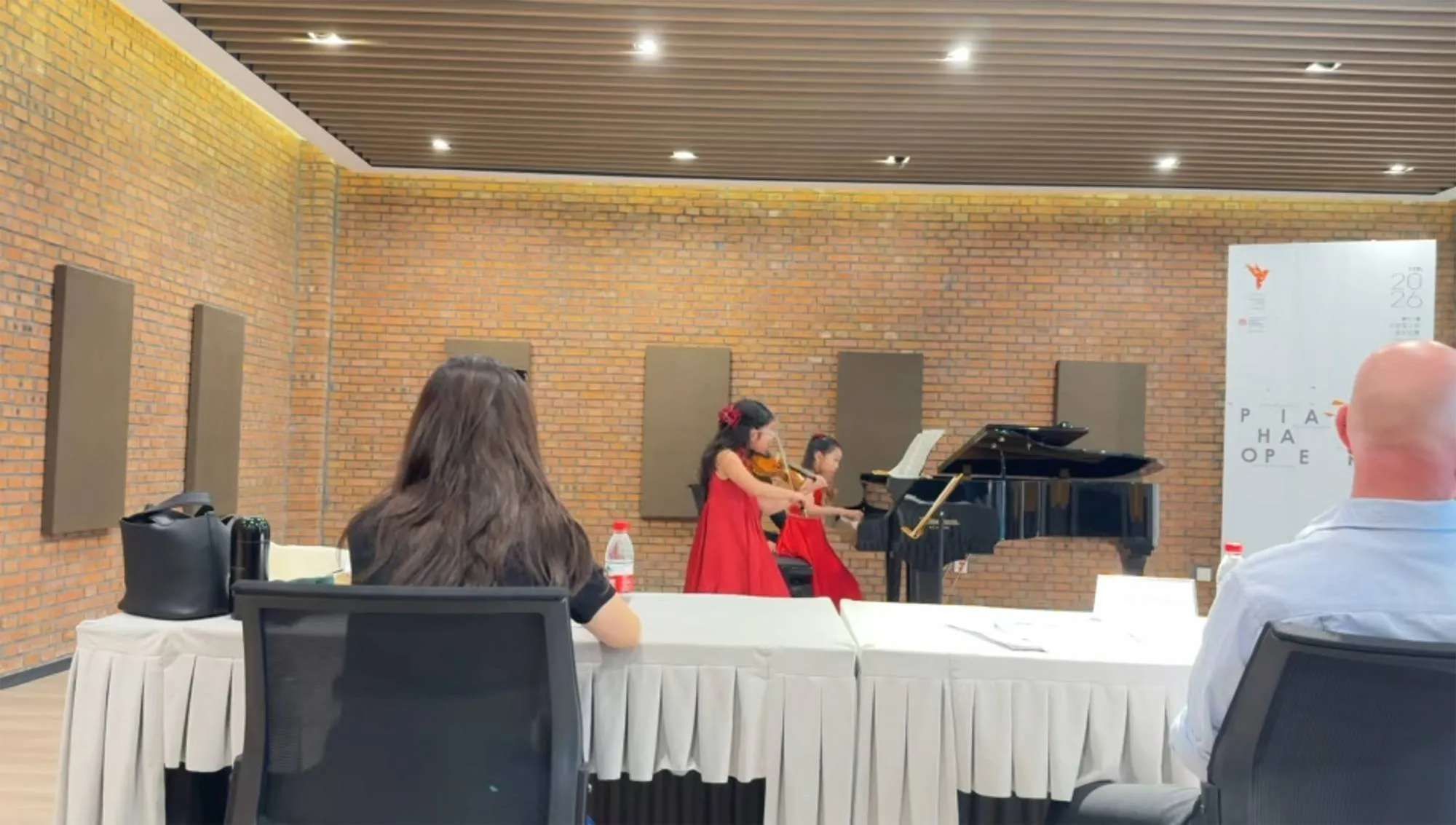
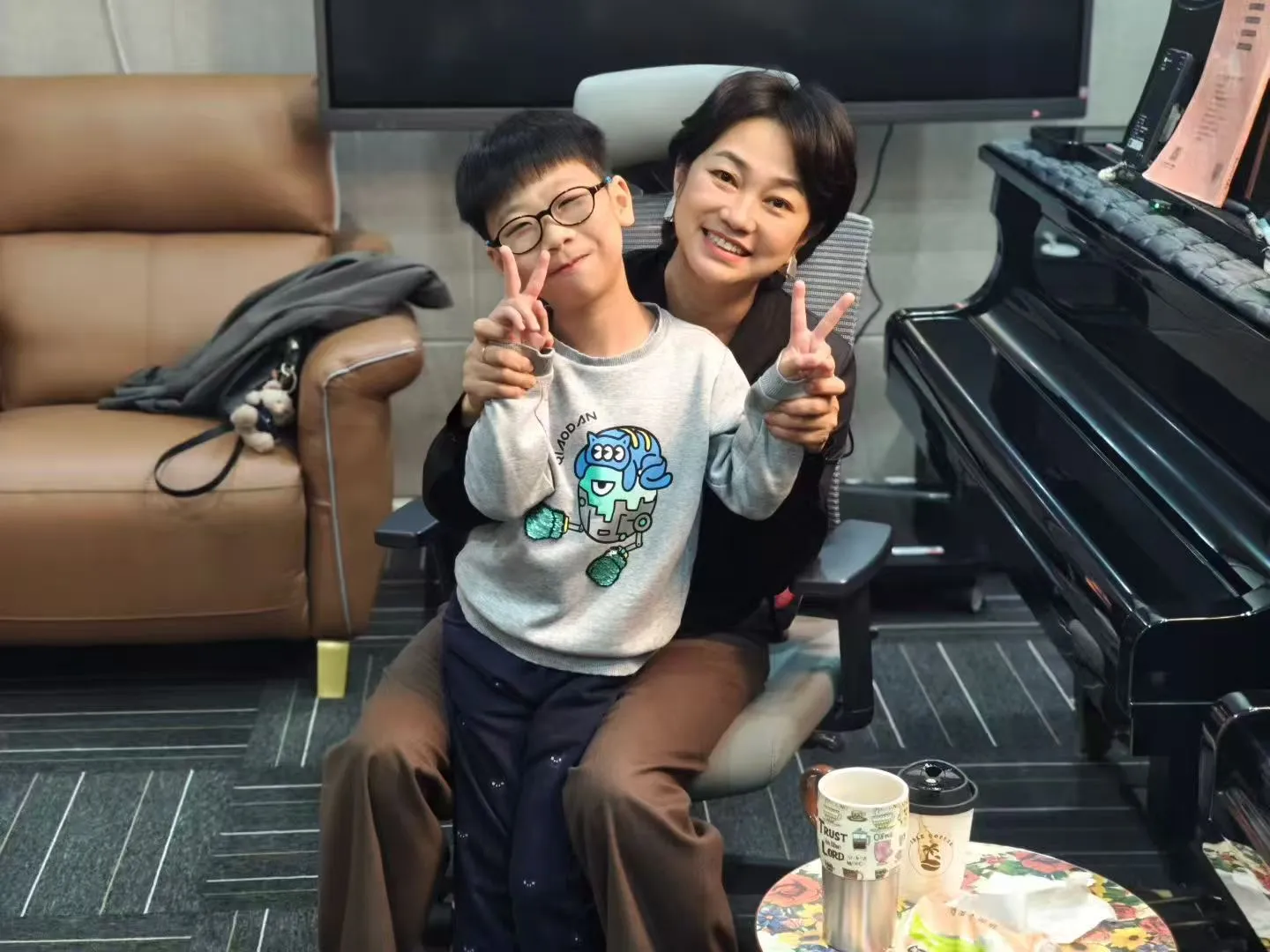
The Teacher as Artist
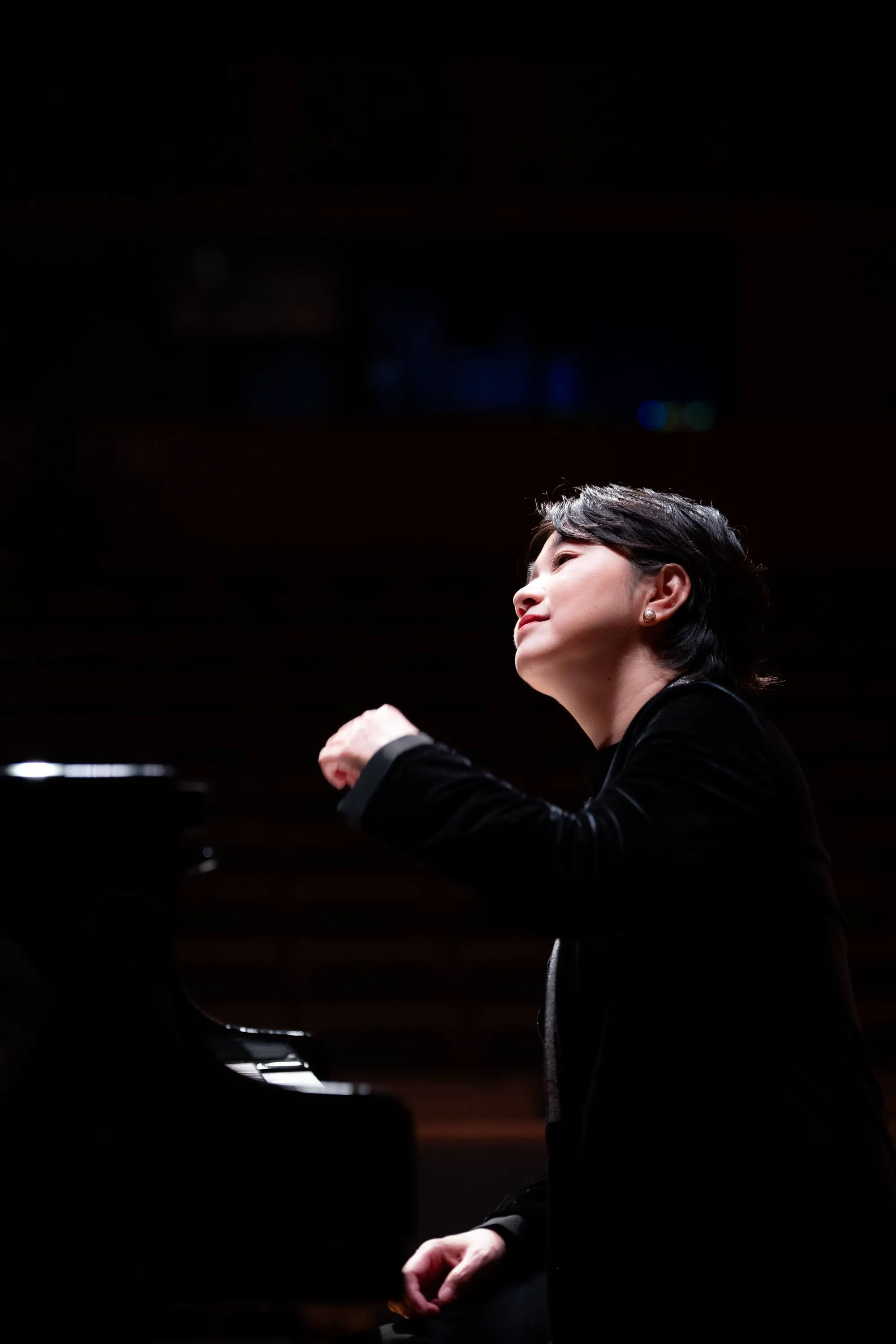
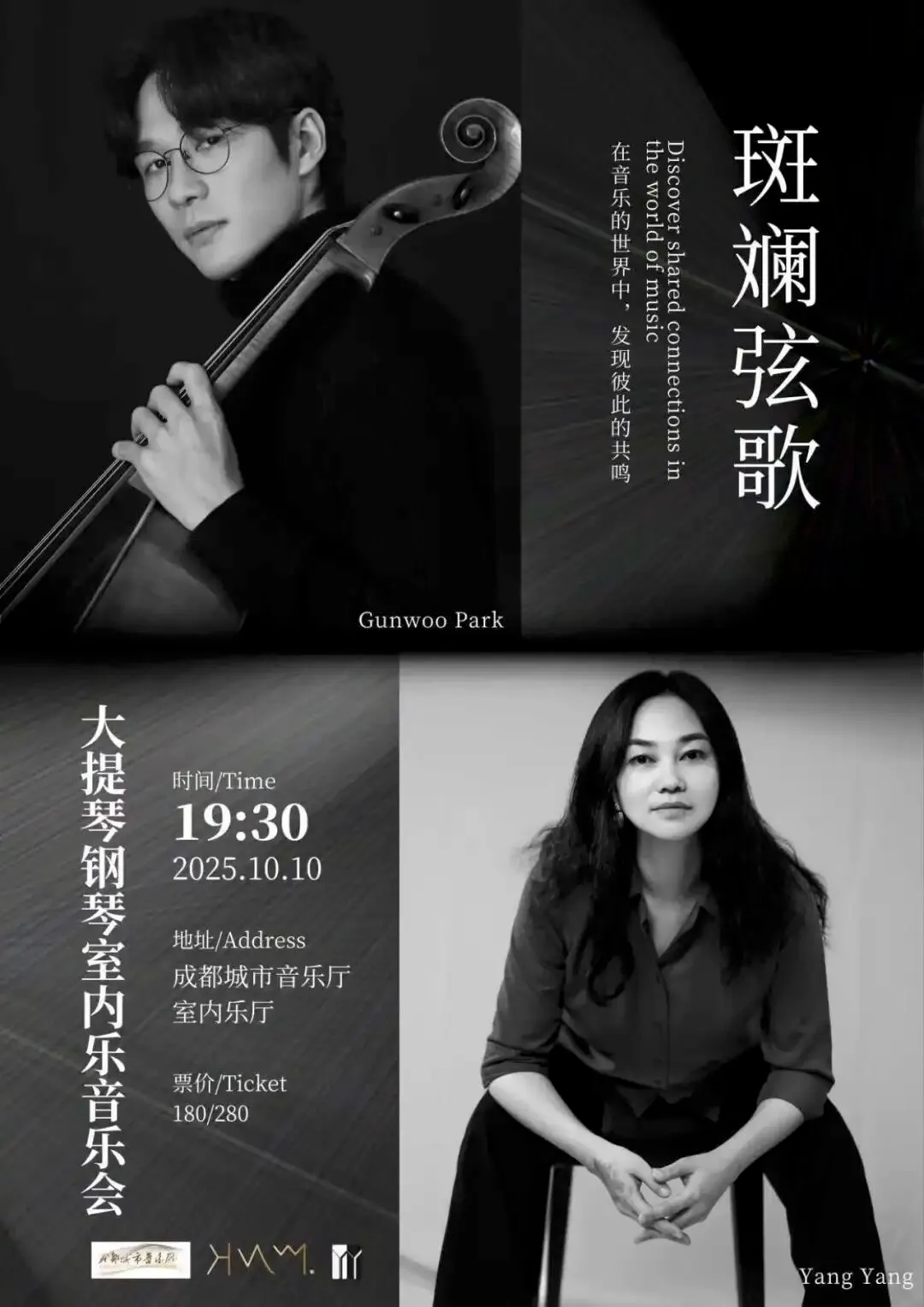
There is a kind of teaching that cannot be transmitted through a curriculum, captured in a syllabus, or reproduced by a substitute. It lives in the room with the teacher — in the pause before a correction is made, in the quality of attention brought to a single phrase, in the way a hand demonstrates what ten thousand words cannot say. Prof YangYang’s teaching is that kind.
Students who study with YangYang do not merely learn to play the piano. They learn to hear — first the music outside themselves, then the music inside. The studio is quiet in the way all serious artistic spaces are quiet: not silent, but stripped of noise that does not serve. There are no shortcuts on offer. There is only the work, and the standard, and the patient insistence that one is capable of meeting it.
Her representative instruction — “Practicing piano trains the brain, not the hands” — is deceptively compact. It encodes an entire philosophy: that music is an act of thought before it is an act of motion; that technique is not the destination but the vocabulary; that a student who moves their fingers correctly but listens carelessly has learned nothing worth keeping. Against this standard, the mechanical drilling so common in early piano education reveals itself as a kind of impoverishment.
What YangYang offers instead is a method grown from aesthetic principle. Phrase logic. Tonal imagery. The idea that notes are not beads on a wire but syllables in a sentence, and that a sentence must breathe. “Music is not note by note — it is phrase by phrase.” In this, she stands in a lineage of teachers for whom artistry was not a finishing touch applied after technique was established, but the animating reason for technique in the first place.
The rarest thing a teacher can give a student is not knowledge but contact — genuine contact with a mind that has gone further along the path and is willing to turn back and say: here is what I actually hear; here is what the music is actually asking for; here is how close you are, and here is the distance that remains. This is what students receive in YangYang’s studio. Not flattery, not discouragement, but honest proximity to a formed artistic sensibility.
Such teaching is difficult to scale and impossible to automate. It requires the teacher to remain, above all, an artist — someone for whom the standard is alive and personal, not archived in a rubric. Prof YangYang’s work is a reminder that the deepest music education is not a transfer of information but an initiation into a way of listening — and that this initiation can only happen in the presence of a teacher who listens that way themselves.