李秀美老师六十周年钢琴教育生涯纪念音乐会
2024年9月8日
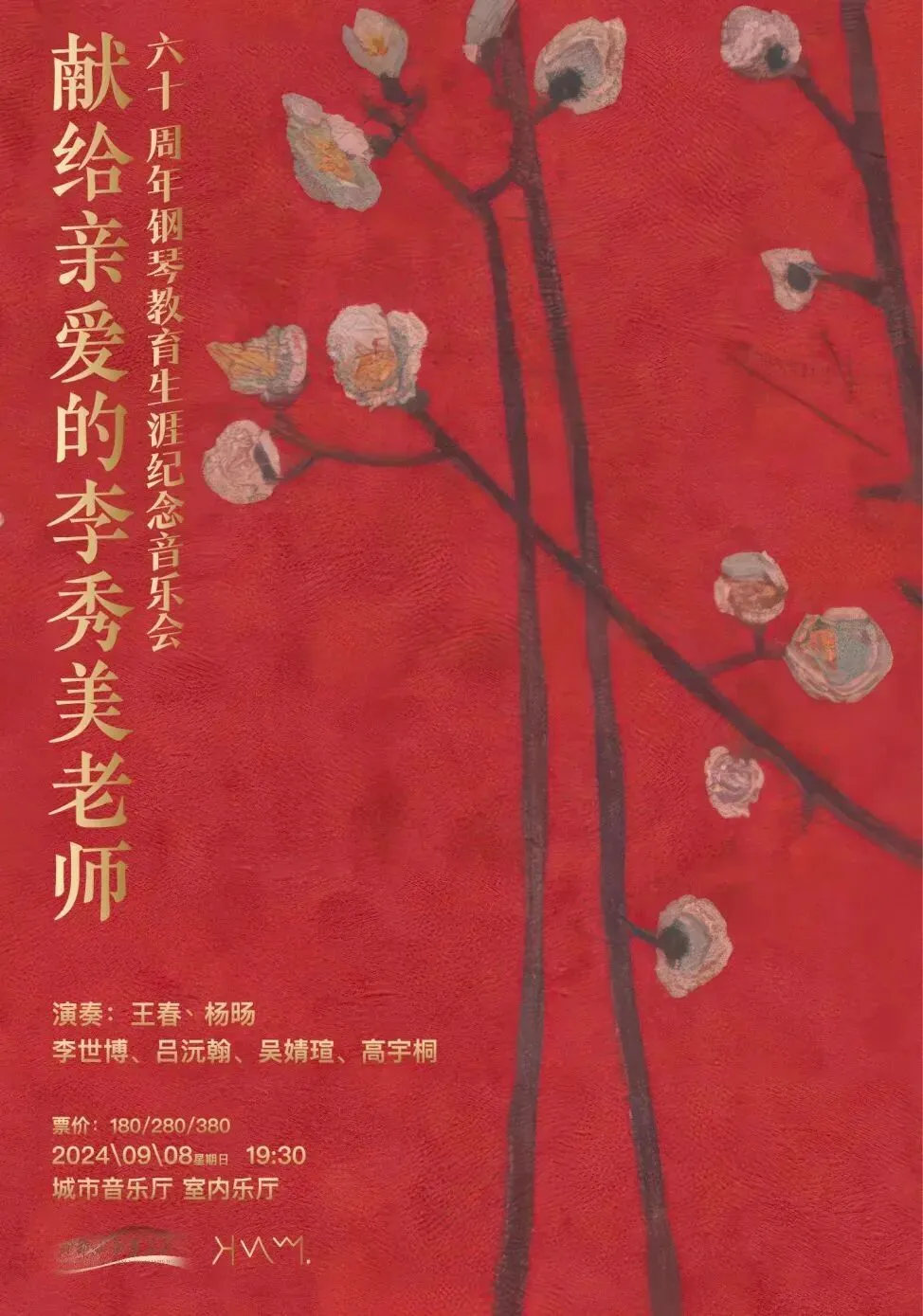
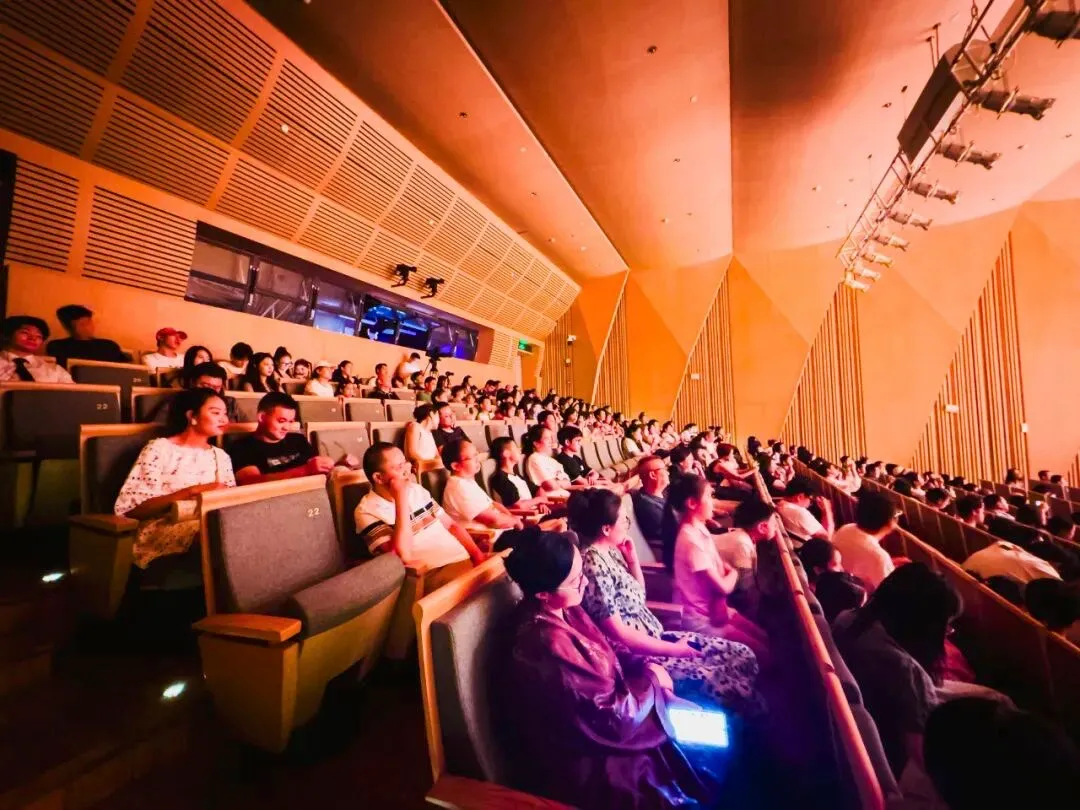
What does it feel like to persist in something for sixty years? A ninety-one-year-old woman has answered that question vividly through the story of her own life. For sixty years without interruption, she poured every ounce of energy and passion unreservedly into music education, witnessing the development and transformation of music education in Southwest China, and nurturing generation after generation of musical talent through her wisdom and patience. This ordinary yet extraordinary woman is Li Xiumei — retired professor of the Piano Department at Sichuan Conservatory of Music and former principal of the Sichuan Conservatory Affiliated High School. In 2024, marking the 60th anniversary of her teaching career and on the eve of the 40th Teachers' Day, her students carefully planned a concert, inviting "two generations of students" to share the stage and offer her a precious gift on September 8, 2024.
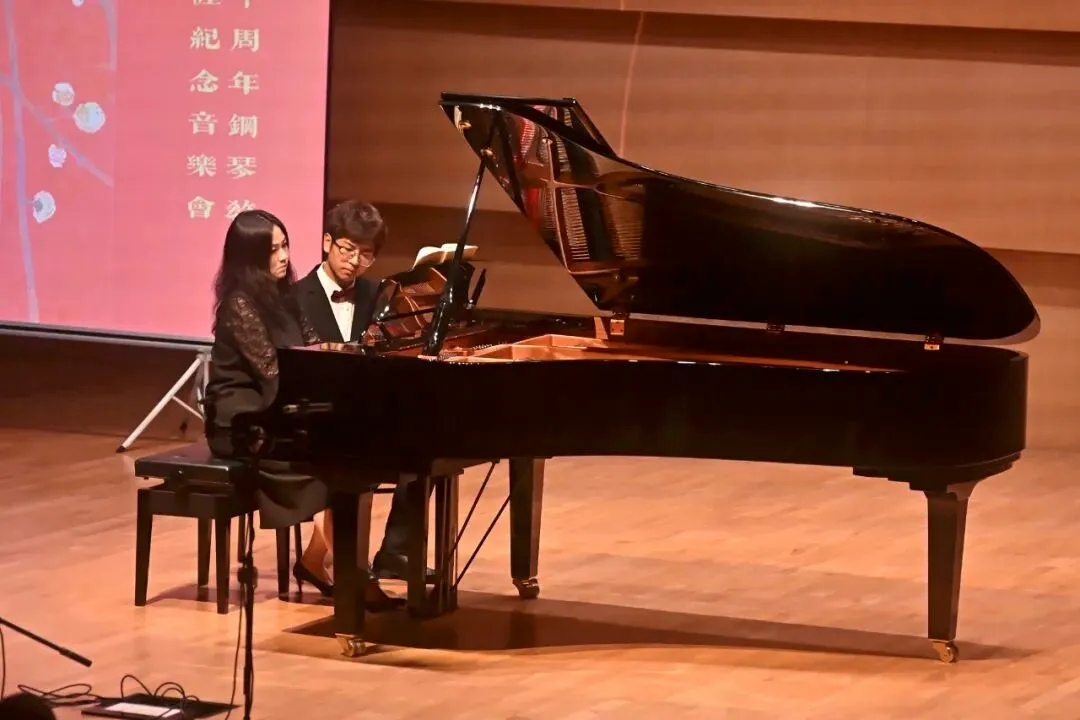
The first performer was Ms. Yang Yang, currently on the faculty of the Sichuan Conservatory Piano Department, who performed the first movement of Schumann's Fantasie in C major, Op. 17. Before playing, she shared with the audience her experience of studying this work together with Teacher Li — a piece that carries memories shared by the two of them. Notably, the first movement is imbued throughout with Schumann's own emotions — his love for Clara — from the recurring "Clara motif" to the final quotation of the theme from Beethoven's song cycle An die ferne Geliebte. These details became, in her performance, an intimate and unique connection between her inner world and the work itself. The emotional contrasts she presented were tremendously vivid, entirely in keeping with Schumann's marking at the opening of the score: "Durchaus phantastisch und leidenschaftlich vorzutragen" — to be played throughout in a fantastical and passionate manner.
Teacher Li's influence on Ms. Yang Yang has been deep and all-encompassing, and Ms. Yang has in turn passed on Teacher Li's spirit of rigorous scholarship to every one of her own students — students who left piece after piece on this special stage. Lü Yuanhan brought superb artistry to Bach's Partita No. 1: his performance clearly conveyed the individual character of each dance movement, was rich in the ornamental charm of Baroque music, and while preserving the overall unity of the suite, skillfully integrated the movements so that they were both independent and unified in their artistic effect. Gao Yutong was the youngest performer of the evening; she played two Mendelssohn piano pieces WoO 19, one in B-flat major and one in G minor — two works built on relative major and minor keys forming a slow-fast contrast, at once contrasting and complementary. Her playing was full of a musicality beyond her years, fully expressing the singing quality and charm of the music. Wu Jingxuan performed Brahms Intermezzos Op. 118 Nos. 1 and 2: her playing featured clear phrase shaping and restrained use of the pedal, deeply conveying Brahms's introspective style, while the depth of emotion she displayed within a rational interpretation reflected her careful attention to musical detail and her command of large-scale structure.
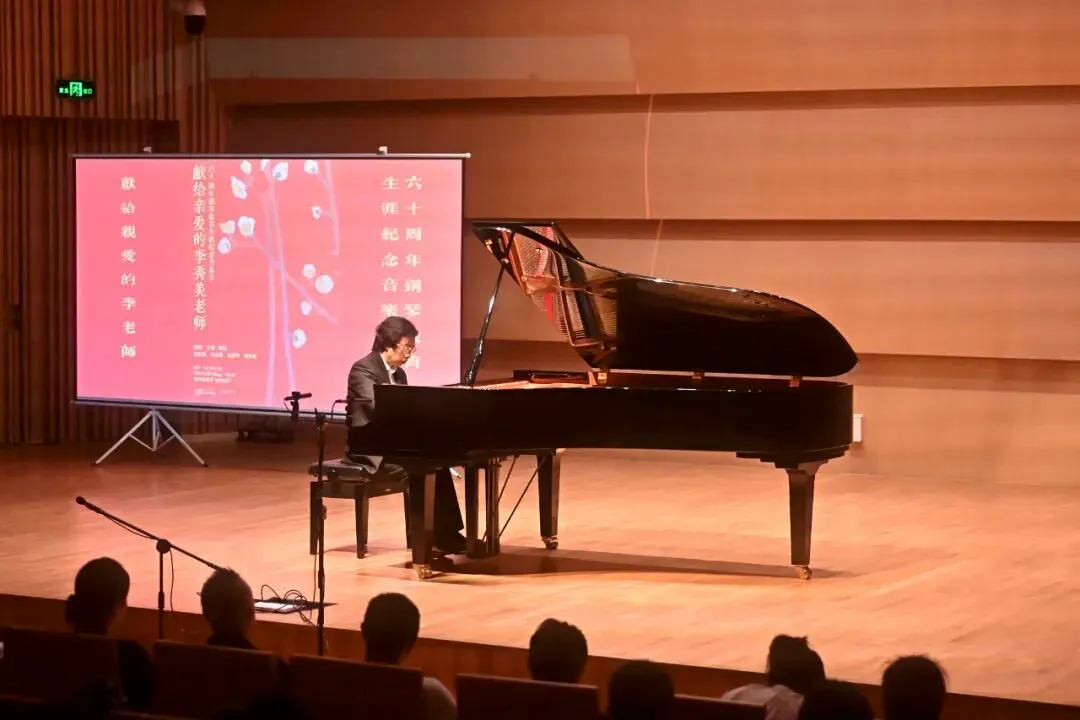
To warm applause from the entire audience, Professor Wang Chun from the Piano Department of the Central Conservatory of Music took the stage. He had studied with Teacher Li for many years at the Sichuan Conservatory Affiliated High School, and had come back to his hometown of Chengdu from Beijing especially for this concert, performing three Chopin pieces. The programme was carefully crafted: the first two pieces were the Waltz Op. 64 No. 1 and No. 2 — waltzes are typically small in scale — while the Heroic Polonaise in A-flat major Op. 53 is purely large-scale. The pairing of two character pieces and one large-scale work balanced the structural contrast; the three pieces together felt more like a suite. The two waltzes, in D-flat major and C-sharp minor respectively, are tonally related yet emotionally contrasting — the former makes abundant use of triplets and is lively and vivid; the latter, set against a mazurka (Mazurka) rhythm, carries a faint tinge of melancholy. In the Heroic Polonaise in A-flat major, Mr. Wang's handling of the middle section vividly evoked the sound of hoofbeats and fanfares, with the ostinato bass in the left hand and the soaring melody in the right hand illuminating each other. His brilliant performance made clear that, though he has been at the front line of teaching for many years, he has maintained his performing ability and brought his full enthusiasm to this stage. His student Li Shibo followed, performing works by Mozart, Schumann, and Liszt: though only 14 years old, his polished playing already showed a solid technical foundation and an accurate grasp of style — and Mr. Wang used the occasion to report the results of his recent teaching to Teacher Li.
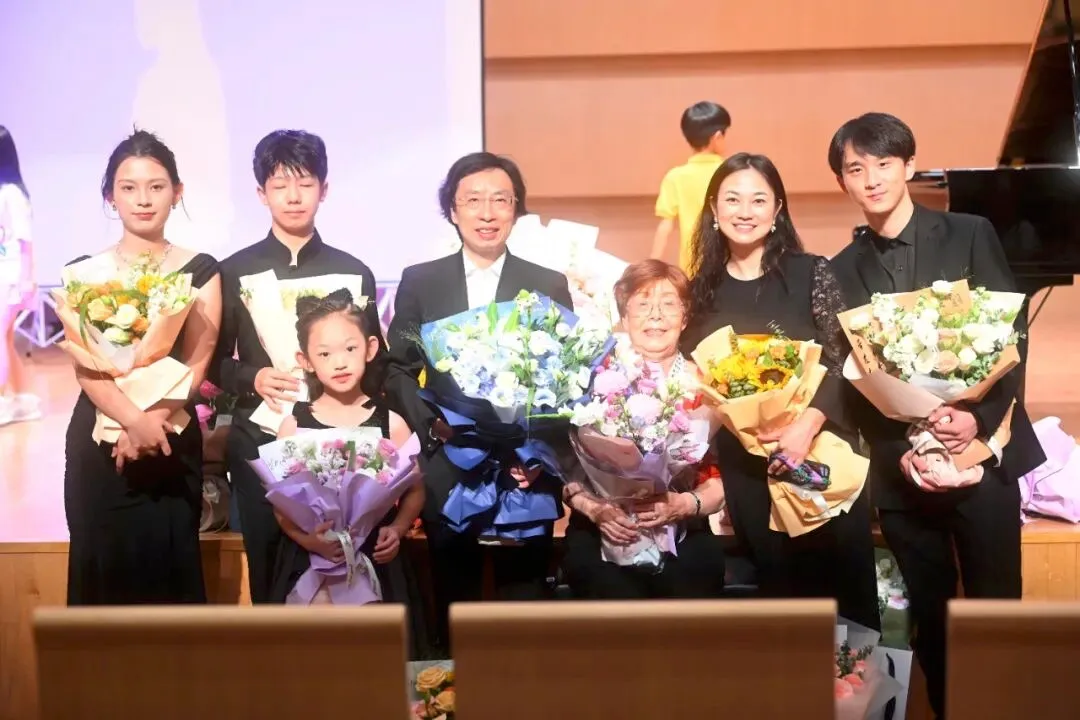
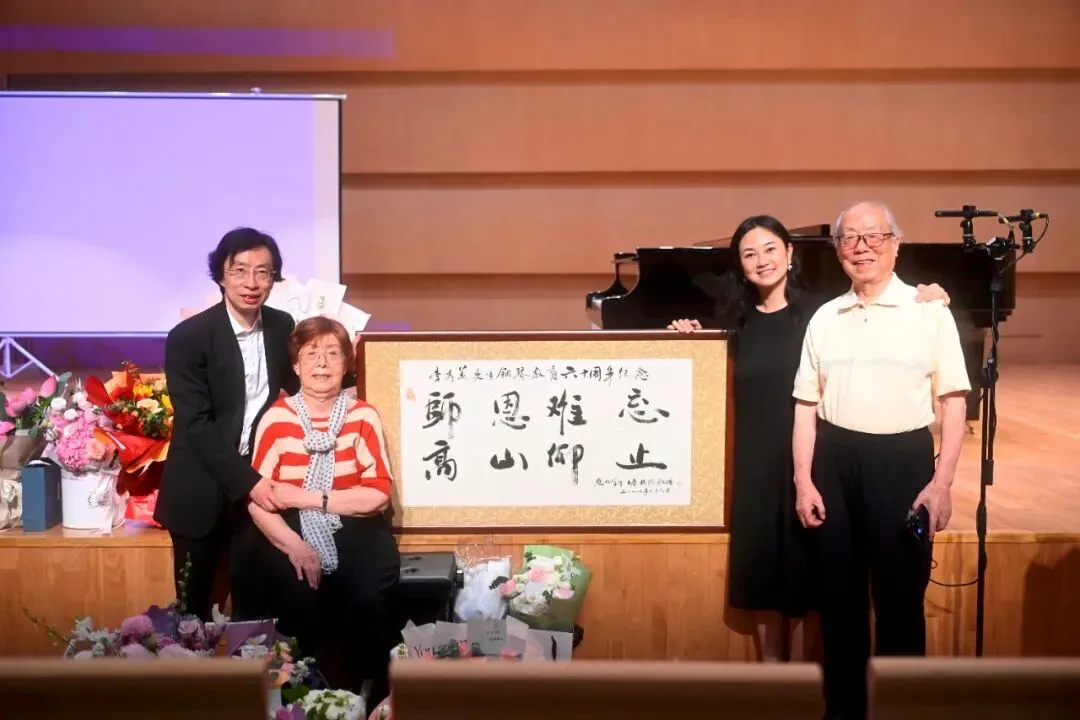
After the performances, Ms. Yang Yang and Mr. Wang Chun presented Teacher Li with a precious gift on behalf of all her students — the eight characters "师恩难忘,高山仰止" (Gratitude beyond words, reverence as high as mountains) — expressing the students' profound respect and heartfelt thanks. On the large screen, videos of blessings from Teacher Li's students around the world were played, and many in the audience were moved to tears. The highlight of the evening was Mr. Wang Chun performing and singing three popular songs as "encore numbers," bringing the atmosphere in the hall to a climax. Finally, the entire concert came to a warm and joyful close with a group photo.
How fortunate I was to witness the warm scene of Teacher Li's 60th anniversary celebrations. As I walked out of the concert hall, the music and stories seemed to linger in my ears, and my full impression of this woman seemed, in that moment, to become concrete — all the scattered memories linking together. When junior students at the school run into Teacher Li, they affectionately address her as "Grandma Li," and I often heard my own teacher speak of moments shared with her. On more than one occasion at school masterclasses and concerts, I have seen Teacher Li pushing her own wheelchair and holding her music scores, sitting among teachers and students, learning alongside everyone else. Whenever a student greeted her, she would always respond with warmth and shake hands with us, yet she never burdened anyone with small requests — even something as minor as steadying her wheelchair she insisted on handling herself, without a trace of the airs of either a senior elder or a distinguished piano professor. All these things I have heard and seen eventually took shape in my mind as a vivid portrait. It is precisely this spirit of learning throughout life, and this attitude of treating students as equals — as family — that is the reason Teacher Li has "plum blossoms filling the world" (students everywhere). The character of a great teacher, as lofty as mountains and as enduring as rivers — may Teacher Li be forever accompanied by the music she loves.